Just Ask
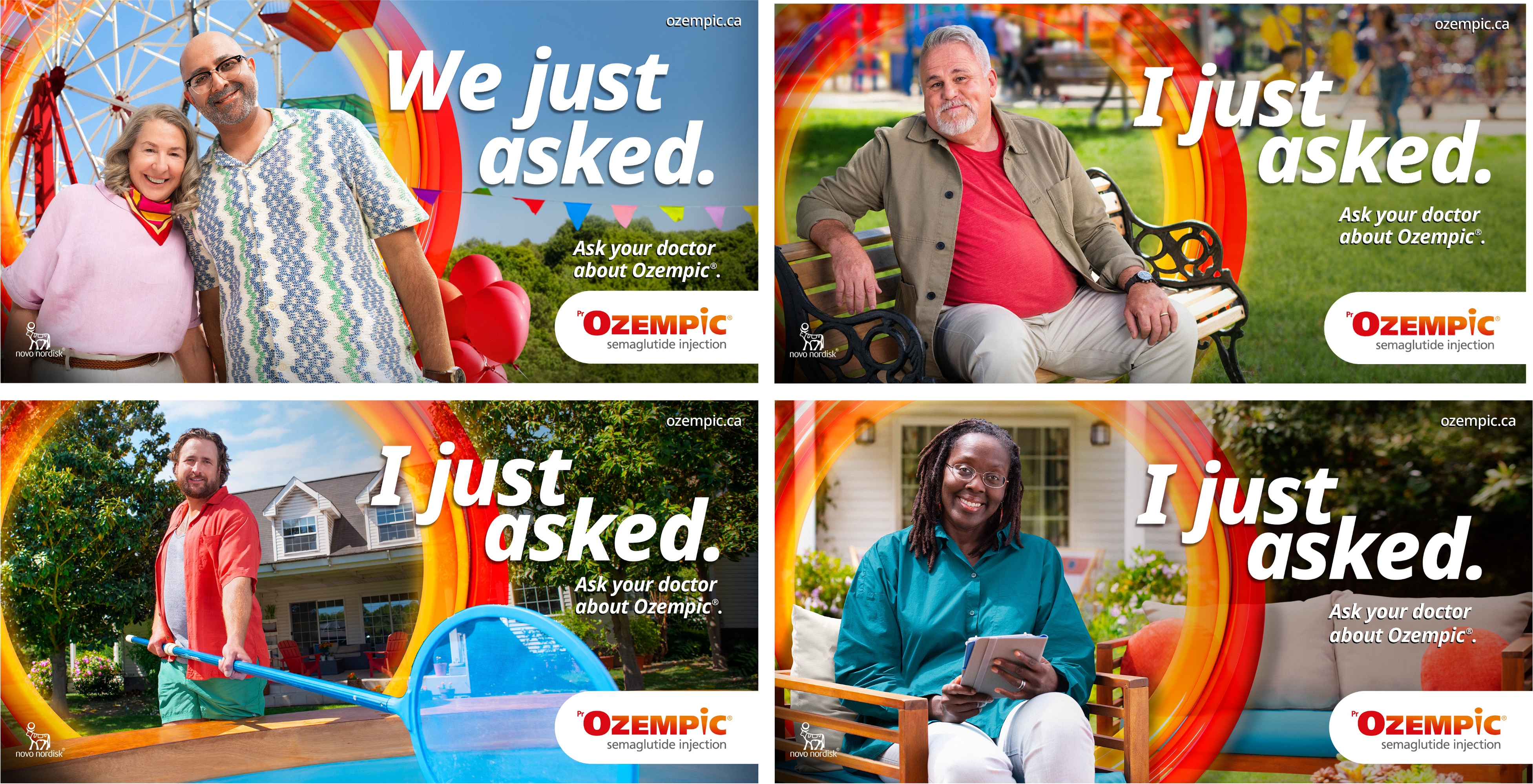
Novo Nordisk’s existing campaign had reached market saturation and needed a new approach to forging a unique path. This approach would also require careful market activation to ensure separation from social media buzz that was thriving organically and encouraging off-label use.
GSW defined the campaign and activation strategy and facilitated many working sessions to ensure necessary nuances were accounted for. The team rallied around unique solution-oriented ways of refreshing and evolving the campaign.
The approach, while seemingly straightforward, involved multiple rounds of ASC negotiations and collaborations. It was critical that the campaign evolution resonate with varying patient types and languages and work within a complex ecosystem spanning radio, out of home, digital and paid media including broadcast TV that launched Super Bowl 2023.
The multi-month process, which included filming out of the country to ensure weather appropriateness, ended in delivering a memorable campaign that resonated with test consumers, unified the internal team, and delivered on a flexible activation approach that could grow alongside future campaign extensions.
- After airing during the Super Bowl in February 2023, the client saw an increase of 1,000 NBRx (new to business prescriptions) weekly. Prescriptions continued to increase with each media wave.
- Simultaneous surround-sound tactics drove top-of-mind awareness, making Ozempic a household name.
- The “Just Ask” campaign continues to remain relevant with continued exposure at high-profile sporting events including the 2024 Olympics.
- Ozempic continues to set record sales goals.
Click to play
Heavy Excuses
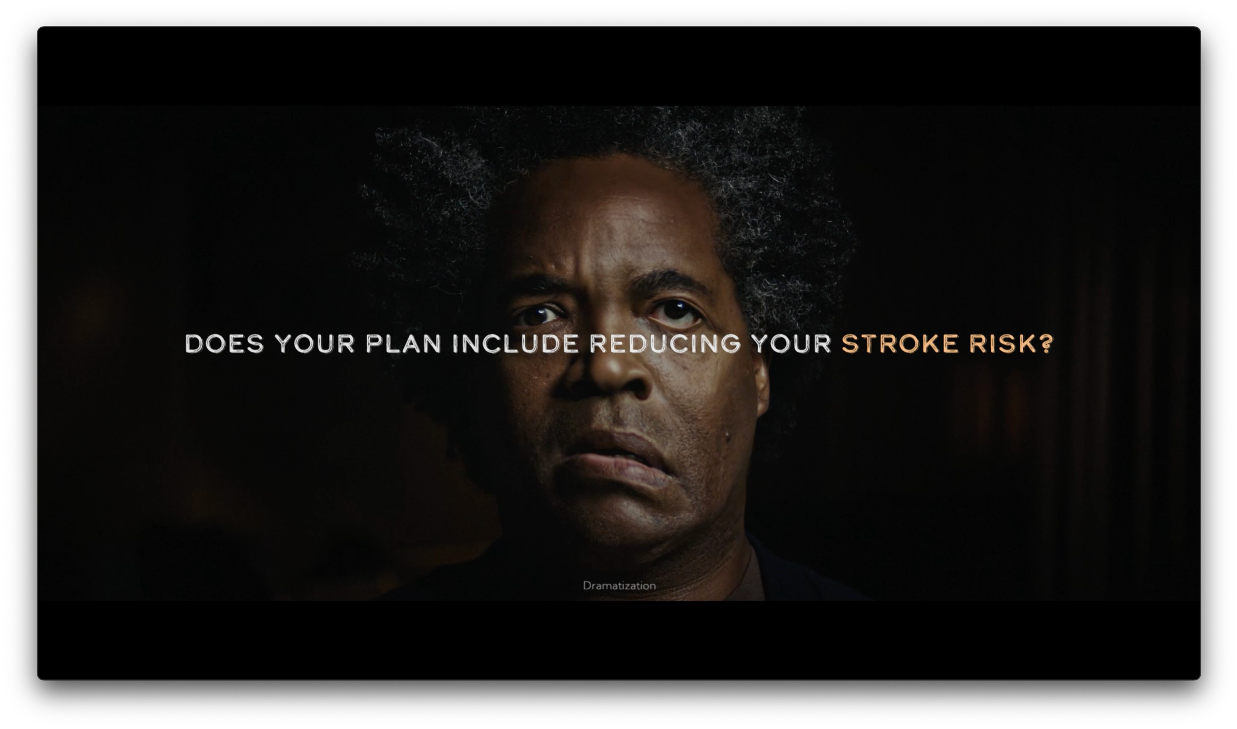
Ozempic’s cardiovascular safety outcomes study showed particular benefit in reducing stroke risk (relative risk reduction: 39%), but Novo Nordisk (maker of Ozempic) couldn’t promote this benefit in Canada. The study wasn’t powered to demonstrate the findings, Ozempic isn’t indicated to reduce stroke risk, and The Canadian Cardiology Guidelines recommend GLP-1s for patients with type 2 diabetes. So, we helped launch an unbranded educational campaign to make consumers aware of the risk of stroke for those with type 2 diabetes and told the story of risk by juxtaposing the voice of familiar diabetes-related “excuses” and the inherent drama of a person’s face as they have a stroke.